I'm grateful you made it to my blog. I'm a full-time husband, proud father of four amazing kids, and someone who genuinely enjoys helping others succeed. When I’m not online working on websites or writing content, I’m usually enjoying life with my family or reading something that sharpens the mind; psychology, investing, personal growth, and everything in between.
I’ve been building and testing online strategies for years; from marketing and content creation to smart investing. Everything I publish here comes from real experience, and my goal is to make it simple and useful for others looking to grow, earn, and build something real.
If anything I share helps you or your family, then it’s all worth it.
– JR Medrano
Millions of people have made investments in cryptocurrency. But are the gains tax deductible?
The IRS views cryptocurrency like any other capital asset; when purchasing and selling crypto assets, capital gains taxes could apply depending on how long they were held for. Careful record-keeping is crucial in order to calculate these taxes correctly.
Cryptocurrency is considered a capital asset and, when sold for profit, will be taxed like any other capital asset would. Gains will depend on what was paid and its market value at time of sale; holding your investment for at least 12 months qualifies you for long-term capital gains rates that are significantly lower than income taxes.
Utilizing cryptocurrency to purchase goods or services can also be considered taxable events. For instance, if you purchased Tesla stock with bitcoin and later sold it at a higher value than initially paid would constitute a gain that must be declared and taxed accordingly.
Gifting or receiving cryptocurrency does not incur gift taxes; however, losses due to loss or theft cannot be deducted. Furthermore, any cryptocurrency earned through yield-earning activities like staking is treated as regular taxable income; so for this reason it’s wise to consult a trustworthy tax professional when giving or receiving cryptocurrency as gifts.
How do I report a taxable event?
If you exchange cryptocurrency for another form, or purchase goods and services that appreciate in value using cryptocurrency, and it appreciates in value as you purchased and sold, that constitutes a taxable event; any difference in prices is your taxable profit. This also holds true if you received it as a gift (unless it comes in fiat form, which does not trigger taxes), or were paid through cryptocurrency by your employer.
If you trade cryptocurrency using a taxable account or earn crypto from mining or staking, typically reporting these transactions on Schedule D along with any capital gains or losses during the tax year will usually require. If working as a freelancer or independent contractor and being paid in crypto is part of your work agreement, earnings would typically be reported using Form 8949 instead; it’s essential that you maintain accurate records regarding cost basis to calculate tax events accurately.
How do I avoid a taxable event?
cryptocurrency can trigger taxes in various ways, from trading it for cash or using it as payment on purchases to exchanging or exchanging it at more value than you originally paid for it. But in order to incur a taxable event and incur taxes accordingly, there must be an increase in value from its initial purchase or sale or exchange price to its final price paid or sold at.
Taxes must also be paid when moving cryptocurrency between wallets or accounts you own, which is considered selling by the IRS. You should keep an accurate record of original cost basis to report correctly when selling assets.
Holding crypto for over one year can help you avoid paying taxes on it, since long-term capital gains rates are lower than short-term ones and you can offset gains with losses from other investments. Although managing crypto taxes may take more time and effort than you anticipate, software that connects directly to an exchange and compiles all the relevant information can make life much simpler.
How do I pay taxes on a taxable event?
If you sell or trade cryptocurrency and realize a profit, you must report and pay taxes on that gain. Gains are calculated by subtracting your original cost basis from your selling price – usually the purchase price, although in certain instances this could also include gifts received as gifts, mining gains or stakes staked as gains.
Tracking your cost basis using a cryptocurrency tax calculator or through your crypto exchange/brokerage platform is key for managing tax liability; additionally, any fees incurred during transactions may also be tax deductible.
Contribute some coins as donations or gifts and reduce your tax bill by considering potential federal and state gift and estate taxes before donating or gifting coins. Doing this may avoid capital gains taxes and offset future crypto sales expenses. But be mindful of possible federal and state estate taxes when making transfers of this nature.
Creating a crypto portfolio can be difficult and time-consuming. This is why it’s important to choose a cold storage crypto wallet that offers the best security. Cold storage wallets are non-custodial, offline wallets. They offer a high level of security without compromising convenience or cost.
The Arculus Key Card combines epic security with an easy-to-use interface. It lets you securely send, and receive crypto, as well as store it. The Arculus Wallet App makes it even easier to manage and send crypto. It also offers convenient storage and transfer options for your crypto, including Bitcoin and Ethereum.
Unlike many other hardware wallets, the Arculus uses a metal key card to protect your private keys. Many of its competitors use display screens that can crack or USB connections, making them less secure. The Arculus keeps its security as simple as possible by only storing private keys on the key card. No one else has access to these keys.
The Arculus Key Card enables you to store your crypto offline without the hassle of a computer. It uses a three-factor authentication system and features a PIN-protected card with a 6-digit PIN. This secure card eliminates the need for an external dongle to make transactions. The Arculus Key Card is available in many countries, including the U.S., Puerto Rico, and Canada.
The Arculus Key Card also has the benefit of being easy to use. Its easy-to-use software makes it easy to transfer crypto. While it’s not the cheapest wallet, it does what it promises. The hardware and software are solid and its mobile app makes it easy to use. Cold storage wallets are a great investment for crypto users.
The Arculus Key Card offers three-factor authentication for secure transactions. The company’s partners include CompoSecure, a technology firm that enables millions of people worldwide to trust each other and their financial assets. The combination of elegance, simplicity, and security helps users create exceptional experiences and peace of mind in the real world.
The Arculus Wallet app supports a variety of cryptocurrencies. Users can buy and sell over 40 cryptos. The wallet also allows users to exchange cryptocurrencies with other users. They can also create joint wallets with other users.
Ledger Nano X
The Ledger Nano X is an excellent cold storage crypto wallet that stores your digital currencies in a secure location. It keeps your assets safe from hackers, yet allows you to access them easily when you need them. This hardware wallet is ideal for people who are interested in storing a large number of different cryptocurrencies. It strikes the perfect balance between ease of use and security. Its design allows you to store and manage multiple cryptocurrencies without the need to worry about hacking.
The Ledger Nano X features a large screen that lets you view your crypto addresses. You can also use the Ledger Live app to carry out cryptocurrency transactions on the go. The app has several features to help you keep track of your finances. You can also set up a password and a PIN code for easy access.
The Ledger Nano X is compatible with both computer and mobile devices. It can connect via USB-C cable or Bluetooth. The device also has a built-in battery to power it. It can also connect to your mobile device wirelessly, unlike the older Ledger Nano S, which required you to use an OTG kit.
The Ledger Nano X has state-of-the-art security. It has four to eight-digit digital security PINs, and automatic inactivity lockouts. It also has a multilingual support system. This device is ideal for security-conscious investors. However, there are some issues to be aware of. Be sure to purchase your Ledger Nano X from the Ledger website and not from phishing websites. Also, keep in mind that this product is not regulated in the UK or EU and you are exposed to phishing attacks.
The Ledger Nano X features two methods for encryption. First, you can create a passphrase with it. This password will create a separate account. This way, hackers will not be able to access your stored assets. Another option is to create a 24-word password.
Ledger Nano X Cold Storage Crypto wallet is the latest product from the company. It has all the features of the previous Nano S but also adds Bluetooth connectivity and a bigger screen. This device also supports more crypto assets than the previous model, so it is ideal for people who want to secure a wide range of different crypto assets. The Ledger Nano X is a great wallet for those looking for the most advanced security and privacy.
KeepKey
The KeepKey for Cold Storage Crypto Wallet is a secure wallet that allows you to store your cryptocurrency offline. It also features a pin code to prevent unauthorized users from viewing your balance or conducting transactions. It also uses HD technology for data encryption and can back up your entire wallet with a 12-word recovery phrase. The wallet comes with a recovery card that you can write down a recovery phrase on if you lose it.
KeepKey was founded in 2015 by Darin Stanchfield and is based in the US. The company later acquired Multibit, which was later acquired by ShapeShift in August 2017. Darin Stanchfield, the CEO, and Ken Hodler, the CTO, are still in the company today. Each KeepKey comes with the KeepKey seal, letting you know that the device is secure.
KeepKey is virus-proof and resistant to malware. It also doesn’t have an operating system, so it cannot be stolen or compromised. You can also rest assured that your private keys will never leave the KeepKey device. This is a key benefit of a hardware wallet because it never leaves your device, making it impossible for someone to access your private keys. You can also set up a recovery phrase, if you lose your KeepKey device. However, you should always store the recovery phrase in a safe offline location.
The KeepKey wallet supports all the popular cryptocurrencies and other digital assets. It also supports numerous altcoins and ERC-20 tokens, such as Dogecoin and Tether. It also supports over a thousand tokens, making it more versatile than a simple wallet.
The KeepKey wallet is easy to set up and uses a user-friendly interface. The software is available for desktop and mobile devices. It can be easily connected to multiple devices and operating systems with the Mycelium app (available in the app stores). KeepKey also has a USB interface.
A USB cable and a recovery sentence backup card are also included in the KeepKey hardware wallet. The company offers free shipping to the United States. However, international orders are subject to import duties and taxes.
BitBox
A cold storage crypto wallet works in a similar way to a traditional wallet, but it uses cold storage crypto. Instead of using a computer, a BitBox uses a microSD card to store a master seed that is encrypted and can only be accessed by the owner of the hardware wallet. BitBox users can also write down recovery keywords in the BitBoxApp.
BitBox offers a variety of features to help keep your cold storage crypto assets safe. It supports over 1,500 cryptocurrencies, which is more than Ledger. It also supports hundreds of ERC-20 tokens. However, not all digital assets are compatible with BitBox. For those, a different cold storage crypto wallet may be the best option.
BitBox can be used on both Mac and Windows platforms. Its account section allows users to check their balance and send and receive coins. It also has the ability to export the history of each transaction to an Excel file. Users can choose whether to view their balance in crypto or fiat. The wallet supports USD, EUR, CHF, as well as other cryptocurrencies.
BitBox also offers a range of backup options. While BitBox is not regulated by the EU, it does offer an excellent option for storing and transferring crypto assets. Users can store many different kinds of digital currencies, including bitcoin and ethereum. This wallet is a great choice for anyone who values their privacy.
Bitbox02 has an attractive display, while Ledger Nano X and Trezor’s Model T offer touchscreen operation. These devices can also be connected to a PC via Bluetooth or a USB cable. Both hardware wallets also have a micro SD card for storing backup words. Bitbox02 is a secure and convenient option for cold storage crypto funds.
The BitBox02 uses a secure chip to protect your wallet against hacking. It also uses a fully open-source firmware, unlike Ledger and Trezor. This means that there is no need to share your private keys with anyone.
When you use a cryptocurrency, you do not need to disclose your name, address, or any other information. Instead, your transactions are logged on a public blockchain, which is decentralized and public. The blockchain contains information about every transaction, which is why experts call cryptocurrencies pseudo-anonymous.
Anonymity is a key feature of crypto technology
One of the most important features of cryptocurrency technology is its anonymity. Because cryptocurrencies use cryptographic addresses instead of names, a single user can have many crypto addresses, which cannot be traced back to the person who created the address. This means that sending or receiving virtual currency is similar to writing under a pseudonym, where the author’s identity is hidden from everyone but their peers. As such, the original Bitcoin whitepaper recommended using a different address for each transaction.
In theory, this anonymity is a valuable attribute, but in practice, cryptocurrencies can be misused for criminal purposes. For example, the WannaCry malware, which infected countless computers, required the victims to pay a ransom in bitcoins. While it may not be possible to guarantee complete anonymity, cryptocurrencies enable many people to participate in charitable activities without the fear of persecution. However, the privacy provided by cryptocurrency has its limitations, and the ability to be traced may be restricted in the future.
The blockchain technology also provides a method of anonymity called pseudonymisation. Pseudonymisation does not make a person invisible, and it relies on tradecraft to minimize the link between an address and an original identity. This method also requires no personal information from the sender. It is also possible to trace an anonymous Bitcoin address using traditional forensic accounting methods. While this method can help protect anonymity, it still does not compensate for the lack of security and anonymity in a blockchain-based system.
Besides anonymity, another feature of cryptocurrency technology is decentralization. Since cryptocurrencies are decentralized, there are no centralized authorities to supervise or monitor transactions. This means that the anonymous transaction takes place without any governmental intervention. Furthermore, there is no need for a central authority to regulate the cryptocurrency industry.
Transactions involving cryptocurrencies are logged on a blockchain
Cryptocurrency is an alternative form of payment that can be anonymous or not. It works by moving funds instantly. This means there are no third-party fees or approvals needed. Transactions are verified through a blockchain, which is an open-source program. Cryptocurrencies are not regulated by any authority, so users are free to use them however they want.
While cryptocurrency was designed to be anonymous, most transactions are not. In fact, most transactions are tracked. This depends on the type of cryptocurrency and the intent behind the transaction. Although many experts and government agencies claim that cryptocurrencies are perfect for hiding money laundering, most cryptocurrencies are traceable. Therefore, you should be wary of cryptocurrencies claiming to be 100% anonymous.
Most cryptocurrencies have a public blockchain that records every transaction. While this is undoubtedly an advantage for consumers, many cryptocurrencies have incorporated features to limit their transparency. The most popular cryptocurrency is Bitcoin, which records all of its transactions on the blockchain. Although this does not offer complete anonymity, blockchain does provide limited privacy. Another popular cryptocurrency is Monero, which offers privacy by deliberately obscuring transaction details and identities. Because of this, tracing transactions is difficult.
Another downside to using cryptocurrency is that it is more vulnerable to hackers than regular payment methods. Hackers have managed to breach even the most sophisticated security systems and access private keys. Furthermore, cryptocurrency users are not protected by legal protections like those provided by banks and financial institutions. Cryptocurrency prices are also unpredictable and may lead to higher spending than cash and other traditional payment methods.
Although cryptocurrencies are not legal tender on national levels, companies of all sizes are now using them for business purposes. In addition, these digital currencies are not subject to country-specific taxes. Using cryptocurrency can save time and money when transferring money from one country to another.
Bitcoin addresses are anonymous but can be linked to a real-world identity
While Bitcoin addresses are pseudonymous, they can be linked to a real-world ID. This is possible because adversaries can link a series of addresses they think belong to the same wallet. The process is known as address clustering. It is much easier to seize a bitcoin address than a laptop.
The blockchain is a public ledger of all bitcoin transactions. This means that anyone can see the history of a transaction and the balance in a wallet. This public ledger has been used by law enforcement agencies to track criminals, money launderers, and drug rings.
Bitcoin addresses are safe to share publicly
Bitcoin addresses are the addresses you use to send and receive your bitcoins. They are typically in one of two formats – P2SH and Bech32. These addresses are similar to bank account numbers in that they are made up of random upper and lower-case letters, numbers, and symbols. They are never letters like “aaaa” or “btc”. A bitcoin address is generated when the bitcoin owner generates a public key pair. As long as the device where these addresses are stored is secure, the addresses are safe to share publicly.
While you’re able to share your Bitcoin addresses publicly, you shouldn’t do so if you value your privacy. While it is possible for hackers to get hold of your public address, they won’t be able to do anything with it unless they have access to your private keys, which are protected by a password. If you do share your address, be very careful about what you buy or sell with it.
Although Bitcoin addresses are safe to share publicly, they should never be given to strangers. This is because the Bitcoin block chain is permanent and something that’s not traceable now might be trivial to trace in the future. This is why it’s vital to keep your address private, and only share it once.
A Bitcoin address is a unique 26 to 35-character string that shows the sender and recipient of a payment. You can generate a new address for each transaction, and experts recommend generating a new address each time you make a payment. This way, you’re less likely to lose your funds if someone mistypes your address.
Bitcoin transactions are not completely anonymous
Although most people are under the impression that Bitcoin transactions are anonymous, this isn’t the case. In fact, it’s impossible to buy a large amount of Bitcoin without KYC, or identification, and no transaction can be made without it. This means that even when an exchange claims that a transaction is completely anonymous, that’s not the case.
While bitcoin transactions are supposed to be anonymous, it’s easy to gather information about them through forensic analysis. This information can be obtained by law enforcement, governments, or malicious users. This paper investigates the ease of connecting people with Bitcoin transactions. The researchers found that it is easy to identify an individual by their personally identifiable information and link their information to a particular Bitcoin address. The researchers began by listing the names of the major merchants who allow Bitcoin transactions. They found that 130 of them allow the method.
The lack of anonymity is also another problem with Bitcoin. Most users access their currency through popular online exchanges and wallets, which make it possible for their identities to be traced. In such a case, Bitcoin transactions are no more anonymous than a bank account. The loss of anonymity happens at the point of entry, and the bitcoin protocol is not designed to prevent this.
Bitcoin addresses are pseudonymous, but they can still be linked to a real-world identity. For example, online retailers, exchanges, and other services take customer’s identity information when interacting with them. Once these identities are linked to a pseudonym on the blockchain, it is possible to track past transactions.
If you own cryptocurrency, it’s important to understand whether or not your losses are tax deductible. These losses include theft and casualty losses. A theft loss is not deductible if it occurs during a non-income-producing activity, such as an exchange account hack. A theft loss also is not deductible if it does not involve a profit transaction.
Do you have to report cryptocurrency losses to the IRS?
If you have an investment in cryptocurrencies, you may be wondering if you have to report cryptocurrency losses to the IRS. The answer to this question depends on your particular situation. It is a good idea to keep records of your transactions. To do this, you need to figure out the fair market value of your purchases and losses, and then keep track of your holding period. Then, total your gains and losses, and enter this information on Form 8949.
The IRS requires that you answer the question under penalty of perjury, so you must be certain to answer the question honestly. If you do not, you might end up owing a lot of money to the IRS. In addition to financial penalties, you might even face criminal charges if you fail to report your cryptocurrency losses to the IRS.
While you may want to get as creative as possible when reporting cryptocurrency losses to the IRS, it is important to remember that you will need to comply with traditional federal realized gain and loss rules. This means that you will have to wait until 2022 before you can claim your losses if they’re below $3,000, according to CoinTracker’s chief tax strategist Shehan Chandrasekera.
The IRS considers most cryptocurrencies to be convertible virtual currencies. This means they act as a medium of exchange, a unit of account, and a store of value. Because they are convertible, any profits made from the cryptocurrency will be taxable. However, depending on the type of transaction, your account, your income, and your filing status, you may not owe any taxes.
Cryptocurrency capital losses can be used to offset other capital gains. In addition, you can carry forward your cryptocurrency losses for up to three years. If you have more than $3000 of capital gains, you may be able to use all your cryptocurrency capital losses to offset the gain. However, you may be unable to use this method in the future, as the Build Back Better Act will prohibit this type of transaction starting in 2022.
Cryptocurrency traders may receive a 1099-B form reporting their transactions. However, not all platforms provide these forms. If you have no 1099-B from your exchange, you can still report your activity on your tax return. Even without a 1099-B, it is advisable to keep track of your taxable activity and keep track of your cryptocurrency transactions.
While it is important to keep track of your cryptocurrency transactions, it can be difficult to record all of the transactions. It may be necessary to log transactions to keep track of capital gains and losses. However, it is not necessary to track your transactions every single day. The right tax software can assist you in reporting your cryptocurrency transactions.
Do you have to report cryptocurrency theft losses?
Currently, the IRS does not allow users to deduct the value of their cryptocurrency theft losses on their tax returns. This is because only losses related to a federally declared disaster qualify as deductible losses. These rules apply through 2025. However, if your cryptocurrency was stolen, you should record the loss in your tax software.
To deduct your cryptocurrency theft losses, you must use the cost basis of your lost cryptos. You will need to fill out Form 8949, which shows your overall long and short-term gains and losses. The form also allows you to carry forward losses from previous years. This means you can claim your losses for as long as the cryptos were worth less than the amount you lost.
Cryptocurrency theft losses are generally not covered by insurance. If you have a business, you can classify the cryptocurrency as inventory or a capital asset. Since you cannot replace the stolen coins, it can’t be insured. The book value or adjusted cost base will be the amount of the loss that you can deduct from your business income. The loss may be significant for recent buyers of cryptocurrency, given the high value of these assets.
If you own more than one cryptocurrency, you should determine how to treat the lost cryptocurrency as a casualty loss. Casualty losses include losing access to your wallet or sending crypto to the wrong wallet. On the other hand, theft losses involve the theft of your crypto from your wallet or exchange. However, unlike with a traditional casualty loss, these losses are not deductible under the new Tax Cuts and Jobs Act. However, you may still be able to claim them if the incident is a federally declared disaster.
While physical theft of cryptocurrency is an uncommon occurrence, there are cases when it happens. In some cases, hackers will send compromised hardware wallets to users and steal the cryptocurrency from those accounts. While this is rare, it is important to report theft losses. Tax laws also require that you file a Form 8949 if you lose cryptocurrency.
In addition to reporting your losses, you should also consider whether you need to report them to the tax authorities. While you can still claim a loss on your taxes if you left your crypto on an exchange, you will have to prove your willfulness. You must determine how much your lost cryptocurrency was worth on the day of the loss. You must file the appropriate income tax return with the tax authority. You should also consult with an accountant who has knowledge of tax laws.
While most taxpayers do not itemize their tax returns, they can still deduct their crypto theft losses. However, the amount of loss must be greater than $12400 for single filers or $24,800 for joint filers.
Do you have to report cryptocurrency casualty losses?
Cryptocurrency casualty losses are losses resulting from a loss of funds, such as lost access to a wallet or sending crypto to the wrong wallet. Unlike theft losses, which result from lost funds recouped in another way, casualty losses cannot be undone. The tax treatment of these losses is complicated, and you must have adequate documentation to prove your losses.
Another type of casualty loss is a theft of your private keys and wallet. This type of loss does not qualify for tax deductions, however, thanks to the recent changes in tax law. The new tax laws do not allow deductions for theft losses, and you should make sure to carefully weigh all risks before making a decision to invest in crypto.
Unfortunately, this type of casualty is quite common in the crypto world. Not only do you have to report losses, you also need to report the amount of cryptos you lost. If you’ve lost a large amount of crypto, you’ll need to file a claim with the IRS to avoid paying taxes on the entire amount. But there are still several ways to avoid a hefty tax bill, if you can report the loss as a legitimate loss.
If you’ve been a victim of a crypto scam, you’ll want to know if you can take tax deductions for these losses. While you might not be able to claim a deduction for the entire amount, your losses could be deductible as investment losses. There are also crypto tax software tools that can help you input all your losses to make sure your tax return is accurate.
This article will introduce you to Bitcoin and other cryptocurrencies and explain how they work. We’ll cover Blockchain, Transactions, and Cryptographic Proof. These are all important details in understanding how cryptocurrencies work. Having a basic understanding will help you get the most out of this exciting new technology. However, we cannot tell you everything about cryptocurrency at once. We’ll discuss these key elements in further articles. In the meantime, let’s take a look at how Bitcoin transactions work.
Bitcoin
If you’ve ever wondered how cryptocurrency works, you’re not alone. Bitcoin and other cryptocurrencies are used for business transactions, and you might have wondered how they differ from traditional money. Cryptocurrency works in a similar way to bank credit, except that it issues and records currency in its own system, and allows for online accounts. The main difference between the two is the algorithm that issues the currency. Unlike traditional money, however, cryptocurrency is not regulated or centralized.
Traditional cash gives the government and the central bank’s too much power over the value of your money. This makes it possible for them to freeze your account or deprive you of access to your funds. Likewise, when you die, your government has a right to take all your assets, and that includes your money. But with cryptocurrencies, your assets are decentralized and no one can control the supply of coins. It’s up to you to make sure that your currency is accepted by merchants, and the society you live in trusts its value in the future.
In the early days of the cryptocurrency, all transactions are unofficial, but when they are recorded in the ledger, they become official. This is done through the work of miners. The more people who contribute to the ledger, the more coins they have in their wallets. As these systems have become more popular, more companies have started to incorporate them into their business processes. This has made cryptocurrency one of the hottest new trends in the financial sector.
Other cryptocurrencies
Bitcoin is one of the most popular cryptocurrencies, but there are many others. While most have similar goals and objectives, each one has unique features and characteristics. Understanding the Bitcoin blockchain can help you understand the rest of the different cryptocurrencies. While understanding how the Bitcoin blockchain works will help you understand how other cryptocurrencies work, you need not know a lot about this technology in order to make money using it. Though most of these currencies are used for trading, more companies and governments are now investing resources into the block-chain technology that powers them.
Bitcoin is one of the first “cryptocurrencies” and was initially designed for the purpose of digitizing money and democratizing the use of money. However, many other cryptocurrencies were designed with different objectives and technologies and have a variety of uses. In some cases, these cryptocurrencies can even provide rules and obligations to their holders. In addition to having no intrinsic value, cryptocurrencies cannot be converted into any other commodity or service. Furthermore, they are not issued by a centralized authority and do not qualify as legal tender.
Blockchain
In contrast, transactions placed through a central authority can take days to settle. That’s the same as if you were to deposit a check on Sunday night and it doesn’t show up in your account until Monday morning. Because financial institutions are open only during business hours, transactions through those channels take longer to process. Blockchain transactions, however, can be completed in minutes and are deemed secure after a few hours. This makes them ideal for cross-border trades, which often take longer due to time zone differences.
Cryptocurrencies built on the blockchain protocol bypass third-party intermediaries and allow for a more secure and private environment. As such, it is no surprise that the early adopters of these technologies have also been criminal organizations. Cryptocurrencies are used to fund scams and payments by criminal enterprises. Silk Road, a black market online marketplace shut down in 2013, has a history of using these currencies for illegal activities. Another example of a recent sting operation involved the Colonial Pipeline, which paid $4.4 million in cryptocurrency to access a computer system.
The introduction of the Blockchain technology has had a profound impact on the concept of TRUST. Before, trust was earned by lawyers. Now, the technology can be used for many purposes. Blockchain-based software is a useful way to improve the operations and records of many organizations. Many organizations are in resource-poor regions, which make them more susceptible to corruption and other forms of fraud. The introduction of Blockchain has made these organizations more competitive.
Transactions
A cryptocurrency is a digital form of money which can be used to make payments online. Most cryptocurrencies are decentralized, meaning they are not maintained by a central authority, but by all participants. This means that when you exchange cryptocurrency, you aren’t using the services of a central authority, but rather, going through the network directly. You can also use cold wallets to store your cryptocurrency offline. A cryptocurrency transaction is also called decentralized finance because it doesn’t use financial institutions. Another type of cryptocurrency transaction is known as a fork, which happens when users amend the rules of a blockchain and a new blockchain is created.
The technology behind cryptocurrency exchanges is secure and transparent. Users can see how much money is transferred between their accounts, but they do not know who sent the money. In addition, each transaction is linked to a unique set of keys, meaning that the cryptocurrency associated with a given transaction belongs to the person who owns the keys. In contrast, a bank account owner can control the money deposited into an account. The transactions are then added to a ledger as blocks of data, which is what is known as a blockchain.
A cryptocurrency exchange is a platform where you can buy or sell the digital currency of your choice. You can exchange it for a regular currency, or buy and sell it at the current market price. You must always use a reference to the value of the cryptocurrency you’re buying. The value of a cryptocurrency will change constantly. You’ll need a stable exchange rate to buy and sell. You’ll also need a reliable cryptocurrency exchange.
Irreversibility
The main issue with cryptocurrencies is their irreversibility. Cryptography is all about decentralization, and the irreversibility of transactions is the hallmark of this technology. A bitcoin transaction cannot be reversed or canceled, even by the unauthorized user. As such, smart cryptocurrency users take cybersecurity seriously. For instance, a security token has no “backdoor” that enables unauthorized users to access the funds. But how do these issues affect you?
In addition to the financial benefits of non-reversible transactions, irreversible transactions have significant implications for producers. Traditional regulation makes it difficult to reverse transactions and services, which puts producers at risk from chargeback fraud and unreasonable consumer payment disputes. It also means that business entities and banking institutions must spend more time and resources investigating chargeback fraud. This, in turn, increases their costs. It also leads to inefficiency in business operations and extra work for staff.
Another key drawback of cryptocurrencies is their anonymity. Because they do not have a central entity, they present opportunities for fraud. For instance, malicious entities can scam users to send money through Bitcoin ATMs. Since there is no central authority to monitor cryptocurrencies, it is very difficult for a victim to prove fraud. However, cryptocurrency users can mitigate this problem by using smart contracts. A cryptocurrency user can set up escrow mechanisms to protect themselves from unauthorized third parties and prevent any transaction from going through an unauthorized person.
Proof of work
The Proof of Work process is fundamental to the functioning of cryptocurrencies, such as bitcoin. Before transactions can be confirmed, miners must validate the block by performing a complex math problem. As a reward for solving this problem, miners receive new Bitcoins. These digital coins are distributed among miners to encourage them to continue mining and validating transactions. To create new Bitcoins, miners must have high computing power and energy. To earn new bitcoins, miners must solve complex math problems.
A significant drawback of proof-of-work is that it can be computationally expensive. To calculate a hash, a miner must invest significant computing power. This process, however, deters attacks by reducing the number of valid hashes and reducing the possibility of double-spending, which destroys trust in a cryptocurrency. This mechanism is a popular choice among crypto enthusiasts and miners alike. But it is not for everyone.
The proof of work algorithm is the most popular protocol for cryptocurrencies. It allows participants to verify new data without a central authority. In addition, it disincentivizes attacks on crypto blockchains by making verifying new transactions extremely expensive. It’s important to note that Bitcoin has been operating at scale for over 12 years, without any double-spending attacks. But this is far from a perfect system. As long as people trust each other, the Proof of Work process is one of the best ways to keep cryptocurrencies secure.
Bitcoin is a form of cryptocurrency. But what is its history? It has been around for over 10 years. The concept of cryptocurrency was first introduced by computer engineer Wei Dai, who published a paper in 1998 discussing a concept known as “B-money” – a form of digital currency that could be sent along the Internet by anonymous, untraceable digital pseudonyms. A few years later, another attempt at digital currency was Bit Gold, drafted by blockchain pioneer Nick Szabo. Those inefficiencies sparked the development of digital currency.
Bitcoin
Bitcoin is a form of cryptocurrency that allows individual users to send money over the internet without the intervention of governments or central banks. Its development was prompted by notions of ‘sticking it to the man’. Today, the currency has gained widespread institutional adoption. Many governmental bodies are considering moving into the cryptocurrency space and are considering central bank digital currencies. But how do these new currencies differ from Bitcoin? Let’s look at each of these in turn.
Bitcoin was not the first electronic cash system. It wasn’t even the first implementation of public key cryptography or blockchain technology. But it was the first modern cryptocurrency that incorporated many of these elements into a single system. Prior to Bitcoin, other electronic cash systems didn’t attract much attention or even establish a viable financial market. It was only later that Bitcoin began to rise in value and popularity. The emergence of cryptocurrencies was spurred by a variety of problems, and these were eventually addressed by new technologies.
Historically, the world has been plagued by banking crises, and cryptocurrencies have emerged to meet this need. The technology has evolved over the years, from its humble beginnings as a way to send payments to the most complex transactions. Emerging economies are underbanked and undeveloped, so they are primed for a revolution. However, despite the hype surrounding cryptocurrency, there are still many questions to be answered. Understanding the technology behind cryptocurrency can give you a competitive edge in the coming years.
Bitcoin’s popularity is still fairly recent, but it’s early days were characterized by widespread censorship. However, this was soon challenged by the introduction of Litecoin, the first widely-accepted cryptocurrency. Litecoin, a proof-of-work alternative, was released six months later. In fact, it was the first hybrid cryptocurrency, combining the advantages of both proof-of-work and proof-of-stake systems.
Litecoin
The history of Litecoin started in October 2011, when Charlie Lee, an employee at Google, left the company to develop a cryptocurrency. Seeing that Bitcoin was growing too quickly, Charlie noticed that there was a need for a new type of cryptocurrency. Lee created a new protocol and modified the code of Bitcoin to create Litecoin. Despite some rumors to the contrary, Litecoin is now one of the most popular cryptocurrencies on the internet.
Litecoin’s development began in October 2011. Charlie Lee, a computer scientist, developed the software for Litecoin and published it as open-source software. As a result, Litecoin gained popularity and was criticized as a near-identical copy of Bitcoin. However, the rapid growth of Litecoin demonstrated the ease of developing new cryptocurrencies. While Litecoin was not as popular as Bitcoin, it was still an improvement over the original.
The success of Litecoin has been attributed to its large community. Since it’s one of the oldest cryptocurrencies on the market, it has managed to build a thriving community. As a pure cryptocurrency, Litecoin only functions as an Internet money. This means that the number of people trading Litecoin is critical for the long-term success of the project. So, if you’re looking to invest in Litecoin, be sure to read up on its history.
Litecoin was first introduced to the public in 2014. It soon climbed the ranks of cryptocurrency rankings and reached over $350 per Litecoin. Soon after, Charlie Lee sold all of his Litecoin, refusing to be a part of the Litecoin network. This left many of his followers disappointed and lost faith in the project. However, other developers improved the blockchain network of Litecoin. It later became a basis for other crypto coins.
Namecoin
In the History of Namecoin, we’ll take a look at the technology behind the currency. Namecoin is a key/value pair registration system based on Bitcoin technology. It is a means of recording arbitrary names and transferring keys to them, but also a general-purpose data-value store. The name of the currency itself is a digitized identity, which can be used in various situations.
The Namecoin concept originated on the Bitcointalk forum in 2010. The original name of the project was BitDNS, and the discussions were based on a previous IRC discussion. Gavin Andresen and Satoshi Nakamoto supported the idea of creating a blockchain-based DNS. The project’s developers offered a reward to anyone who could develop the corresponding code. The reward was given to “Vinced”, a rumored name for the developer. This person’s efforts led to the creation of Namecoin, and subsequently, other developers contributed various applications to the currency.
The Namecoin project is currently in its development stage, but its goals are clear: to create a domain name service based on blockchain technology. As the first coin to copy Bitcoin code, Namecoin also added an identity system to store identity data on websites. Namecoin has a thriving community and thousands of applications, and its goal is to be more than a cryptocurrency. So, it’s easy to see why the Namecoin cryptocurrency has become so popular!
The smallest currency unit in Namecoin is the swartz, similar to the satoshi of Bitcoin. Namecoin’s currency is issued in a proof-of-work scheme, and transactions are irreversible. It’s also possible to rotate your TLS server keys without any difficulty. The only difference is that when you choose to revoke a certificate, you must initiate a blockchain transaction.
Dogecoin
If you’re wondering where Dogecoin originated, it was created by two computer science students and is now a cryptocurrency. The coins are widely available on crypto currency exchanges, though not all of them carry Dogecoin. Miners mine Dogecoin using their GPUs on desktop and laptop computers. Dogecoin is on a steep upward trend, especially since it has been endorsing cryptocurrency by Elon Musk, one of the most influential names in the cryptocurrency industry.
If you’re interested in gaining money through cryptocurrency, you’ll want to understand how Dogecoin’s history relates to the current state of the cryptocurrency market. Dogecoin was launched in 2013, but the cryptocurrency landscape has evolved dramatically since then. Despite the shift in the cryptocurrency landscape, the currency has remained true to its roots, rising to become one of the top 20 cryptocurrencies in the world.
In early 2013 and early 2014, Dogecoin’s prices increased relatively to its size, hitting $0.002 in January and $0.002320 in mid-year. However, the Covid 19 pandemic hit the crypto market, reducing bullish sentiment and affecting many interested traders. During the summer and fall of 2021, the currency gained cult status on the Reddit message board. In April, a hacker posted a video of himself claiming to mine Dogecoin. The discussion was soon banned as it incited manipulative activities.
In early 2018, Dogecoin was considered a joke cryptocurrency, but a recent spike in its value led to a rise in price and the market cap reached $2.0 billion. This led to a massive community of people donating to causes related to social causes. But as the cryptocurrency gained popularity, it also faced controversies and was labeled “toxic” by some users. These controversies were what ultimately pushed the price up so rapidly, but they didn’t deter the community.
Ether
The Ethereum blockchain was created by a Russian-Canadian computer programmer, Vitalik Buterin. With this project, Buterin envisioned a platform for peer-to-peer money transfers that would support decentralized applications. Founded in July 2015, the project subsequently underwent a number of trials, tests, and bug fixes until it was ready for prime time. Ethereum first broke $1,000 in January 2021, and since then, it has been on an unstoppable rally, fueled by a bull cryptocurrency market and long-anticipated upgrades to its network. Today, it commands 90% of the altcoin market and continues to evolve.
Vitalik Buterin introduced the Ethereum concept at the North American Bitcoin Conference in Miami, Florida in 2013, and has been the driving force behind the currency’s development ever since. Today, the cryptocurrency is used for trading more than just cryptocurrency, and Ethereum users can exchange more than one type of currency at once. Its name is inspired by a hypothetical medium called ether, which scientists believed allowed light to travel in outer space. Buterin envisioned Ethereum as a medium for other applications, and he also dubbed it ‘ether’.
The Ethereum platform is a decentralized network, meaning that there are no third parties involved in its operations. As a result, it can support a vast number of different applications, including decentralized payments. In fact, users can use any cryptocurrency to make purchases on the Ethereum platform. The Ethereum platform was originally created by Vitalik Buterin, a Russian-Canadian programmer. Buterin and Joe Lubin eventually started a company called ConsenSys and released the Ethereum platform. Both Buterin were eager to use the potential of blockchain technology.
The price of Ethereum has increased over the past year, with its value growing by nearly three hundred percent in 2017. But this is not to say that the future of the Ethereum platform is completely rosy. While the platform is capable of a vast array of transactions, there have been some hiccups along the way. Ethereum’s recent hard fork has made it an unpopular cryptocurrency, and ETH’s price has fallen from over $20 to under $13. As the currency has continued to grow and gain acceptance, its on-chain statistics have also ensured that the Ethereum platform will continue to grow.
So you’ve decided to invest in bitcoin, but what is it? What are its benefits and drawbacks? This article will answer these questions and more. In addition to addressing the decentralized nature of the currency, it will also discuss its use as a medium of exchange, as well as its volatility. But before you decide to invest in bitcoin, it’s important to understand what makes it unique. And, if you’re curious about what makes bitcoin so valuable, read on.
Investing in bitcoin
When deciding whether to invest in Bitcoin, consider the risks involved. Although Bitcoin is highly speculative, it is a volatile asset, and the price can change drastically in a short time. Considering this, it is important to invest only in amounts you can afford to lose. Also, you should consider diversifying your portfolio by holding other asset classes. In other words, investing in Bitcoin should be a last resort. In addition to traditional stock and bond investments, you can invest in Bitcoin alongside other assets.
A common mistake made by newcomers is using pump-and-dump schemes. While these schemes are illegal, they can be beneficial for investors who want to capitalize on market spikes. However, if you’re associated with any such scam, you may find yourself the target of a criminal investigation or IRS audit. However, you can still invest in Bitcoin, either directly or indirectly, through an exchange. Listed below are some tips to invest in Bitcoin:
1. Avoid losing too much money: When investing in Bitcoin, remember that there is no intrinsic value to the currency. There is no central regulator to protect the currency, and it is completely based on demand. Hence, the more people buy Bitcoin, the higher the value. On the other hand, if fewer people buy it, the value will decrease. Timing the market can be a tricky task. For this reason, it is recommended to invest only in a small amount at a time.
Aside from being an investment vehicle, there are many other ways to build wealth. Real estate and Bitcoin are two popular ways to combine the two and can make you attractive profits. There are plenty of risks and rewards associated with real estate investments, so you should take them into account before investing in either. If you’re not sure whether Bitcoin is the right investment for you, start accumulating real estate instead. It’s a great way to create wealth.
The most obvious way to invest in Bitcoin is to buy a standalone cryptocurrency. Using an exchange like Coinbase, you can acquire the currency and store it in encrypted wallets. This allows you to monitor its price performance and currency value. Owning a standalone cryptocurrency is very similar to owning a currency in other markets. However, you will need a specialized trading strategy to profit from the cryptocurrency. You can read more about the risks involved in Bitcoin investment in this article.
Its decentralized nature
A decentralized organization is a form of corporate governance in which decision-making authority is not centralized. This type of structure enables firms to remain flexible and responsive to external shocks and competing trends. Centralized decision-making processes face problems related to information flow inefficiencies and barriers to communication, which slow down decision-making. Alternatively, decentralized organizations can benefit from local knowledge. In this article, we will explore the benefits of decentralized organizations.
Its value as a medium of exchange
Money is a medium of exchange that allows transactions worldwide. Its primary role is to facilitate the purchase and sale of goods and services. The value of the medium is understood by all parties involved, regardless of whether the medium is held for a short or long period of time. Non-monetary items such as real estate, precious metals, and collectibles may also be used as a medium of exchange. But these items may be more difficult to convert to money.
As a medium of exchange, money should have a certain inherent value, a fixed purchasing power, and be easily carried. Furthermore, it should not have wild fluctuations in its value. But while its intrinsic value should be known, its value as a medium of exchange can change with the changing needs of a society. Here are some characteristics of money:
First, currency is a form of money. It is used by the majority of economies. People accept currency because it is useful in exchange for other goods and services. Currency has no intrinsic value, but it is accepted as a means of payment, as it is used in trade. Moreover, it can be used to purchase goods and services without barter. This makes money a valuable medium of exchange. However, in a world where inflation is a constant threat, money is becoming scarcer.
In the modern world, currency is a means of exchange and its value is determined by the acceptance of society. President Nixon removed the US from the gold standard in 1971, in response to a massive wave of people redeeming their gold for dollars and double-digit inflation. Compared to barter, money exchange is more convenient. The price does not have to coincide with demand. And with money, people can exchange any goods and services without risking their personal or financial security.
Its volatility
Volatility affects the stock market. The amount of money that can fluctuate between 1% and 10% is considered volatile. Volatility is often highlighted during times of economic turbulence. Many factors affect volatility, including regional and national factors and interest rate policies. While there are some indicators that will determine volatility, these are often overlooked or not taken into account. Here are some common examples. In order to identify the most volatile securities, consider these factors.
Volatility is often referred to as the variance between a stock’s past returns and its future expectations. While volatility is a factor that affects many aspects of the stock market, it is not always a good indicator. Volatility is often the result of a recent major change, and extreme fluctuations may be indicative of a stock’s future performance. While no one can predict the future of the market, investors can use volatility as a guideline to decide which stocks to purchase.
Volatility is also related to the heat of vaporization. Heat of vaporization is the amount of energy needed to change one unit of mass of a liquid into a gas or vapor. It decreases as the temperature rises. A stock’s volatility is also affected by its price. In some cases, volatility can decrease, while others can increase. This volatility can affect an investment strategy by affecting the price of your stock.
Volatility is often accompanied by a range of emotions. While highly volatile stocks and bonds may be profitable near the bottom, they are unlikely to be as lucrative near the top. In the same way, a high-volatility asset may decline below its acquisition price. Volatility and price change are often in harmony in finance, but they can diverge under certain conditions. If you are unsure whether a certain investment is right for you, consider the volatility of the company in question.
In addition to the standard deviation, volatility can also be used to analyze risk. Volatility measures the variance in a stock’s price, as measured over a given period of time. Volatility can be measured using the standard deviation or annualized standard deviation. The latter is often the better measure of risk and reward. Its volatility is a vital part of stock analysis, so be sure to study it carefully. You’ll be able to spot when a stock is likely to rise or fall.
You’ve probably heard about Bitcoin, Ether, Cardano, and Dogecoin, but are you sure you want to invest in them? If so, read on to find out why you should be cautious when it comes to crypto investments. The market for these digital currencies is extremely volatile, with prices often swinging by a factor of 10! Whether you choose to invest in Bitcoin, Ether, or Dogecoin depends on your own circumstances and financial goals.
Bitcoin
If you are new to the crypto-currency world, investing in Bitcoin is the best way to get started in this fast-growing market. While there are many ways to invest, you should understand how the value of the currency fluctuates. While pump-and-dump schemes and pyramid schemes are illegal, you can invest in the digital tokens by buying them in smaller amounts at regular intervals. Dollar-cost averaging is the best strategy for this, because it reduces the risk associated with time-consuming investment.
Bitcoin is accessible to any investor, including those who don’t have a lot of financial resources. You can buy Bitcoin coins through an online exchange or buy shares of a bitcoin-accepting company. Bitcoin exchange-traded funds are another way to invest in this technology. Unlike buying individual bitcoins, these funds copy the Bitcoin price. Investing in these funds lets you invest in a network instead of a specific currency. Solana, for example, claims to have the world’s fastest blockchain. There are several investment companies that offer Bitcoin funds.
Investing in Bitcoin is a great way to get a substantial return on your investment. While it is difficult to earn 200% returns overnight, you can make it by purchasing large amounts of the currency and then selling them at a higher price when there are plenty of buyers. Bitcoin may become an asset of the future that is more popular than it is today. Its price continues to rise, and a good way to get involved is to follow the latest trends.
Ether
Investing in Ether cryptocurrency can be rewarding, but you must understand the risks involved before you make a purchase. In addition to the risks involved in cryptocurrency, there are many other factors to consider, such as whether or not the coin will have a low value over time. There are several ways to invest in Ether, and each option is unique. The most common way to invest in Ether is to buy a small amount of the cryptocurrency.
In order to invest in Ethereum, you must first open a wallet and find a cryptocurrency exchange. Most centralized exchanges offer a free custodial wallet service, which allows users to send and receive cryptocurrencies. Many exchanges also offer customer support and allow users to use credit cards for transactions. Once you’ve purchased Ethereum, you can either leave it on the exchange or transfer it to a private wallet. You should remember that you shouldn’t store your Ethereum for long periods of time.
Another great reason to invest in Ether is its potential to be an alternative to Bitcoin. The price of Ether has surged over the past few years, making it one of the most popular cryptocurrencies by market cap and capitalization. Increasing usage of the Ethereum blockchain makes this cryptocurrency outside of the reach of traditional financial institutions. And while you may not be able to use Ether in everyday transactions, you can use it to buy other products and services. In addition to investing in Ether cryptocurrency, you can also use it as a store of value. Ethereum was created by Vitalik Buterin in 2015, and continues to work on the Ethereum platform. However, like any other cryptocurrency, it is subject to market risk and volatility.
Cardano
While the market for cryptocurrencies is booming, you need to consider the tax implications of investing in Cardano. In 2014, the IRS classified it as property and taxed capital gains accordingly. If you’re self-employed, you can invest in Cardano in a Solo 401(k) or Self-Directed IRA. IRA Financial allows investors to invest in Cardano through a simple, web-based app. The service is free, and users have complete control of their private keys. You can also invest in Cardano 24 hours a day, every day.
ADA is currently available on several exchanges, including Binance, Kraken, and Uphold. This means that if you’re interested in investing in ADA, you can diversify your portfolio while setting yourself up for massive gains when the currency reaches record highs. CoinPriceForecast estimates that Cardano will be worth $5 within 10 years, meaning you can expect to make a profit of $39 if you invest $10 now.
If you’d like to invest in Cardano, you’ll have to decide which cryptocurrency wallet you’d like to use. Hot wallets connect to the internet, making them convenient. However, they’re also theoretically accessible to hackers. A cold wallet, on the other hand, stores your private keys in a storage device. The most common option for beginning crypto investors is to use an exchange’s storage service, but this comes with several trade-offs. Regardless of which option you choose, make sure that your wallet is compatible with Cardano and the exchange where you’ll be buying it.
Dogecoin
While cryptocurrencies, such as Bitcoin, tend to grow in value, a new coin is likely to grow in value more quickly. Investing in Dogecoin requires some knowledge about the cryptocurrency. Before you invest in it, learn about its price history and current position. The price of Dogecoin has risen by 47% in the past few weeks. Investing in Dogecoin is a great way to get into the meme industry and may prove to be a profitable investment.
Investing in Dogecoin is similar to investing in stocks, except that you are buying a piece of a decentralized cryptocurrency. Unlike stocks, which represent ownership stakes in a real-world business, cryptocurrencies can rise or fall depending on the market. However, you should always keep in mind that you are gambling with the value of the currency, so you should take precautions when investing.
To buy Dogecoin, you must first sign up for an account with a cryptocurrency exchange. Most exchanges offer services to buy and sell cryptocurrencies. You can use a brokerage account or a cryptocurrency exchange to purchase Dogecoin. You can either purchase the currency by the dollar amount or the number of dogecoins that you want to purchase. You may be charged a commission by the brokerage for trading cryptocurrency, which can range from 0.05% to 5% per trade. There are also investing apps that offer commission-free crypto trades.
Blockchain ETFs
Although they are relatively new and only a handful of blockchain ETFs currently exist globally, Blockchain ETFs offer investors the opportunity to invest in the fast-growing crypto market. ETFs track companies involved with the blockchain technology and are more stable than individual crypto coins. However, investors should consider the types of companies that are included in these funds before making an investment. In addition to considering the types of companies included in a Blockchain ETF, investors should consider whether or not they will have high or low volatility.
The market for blockchain ETFs is relatively new, and most of its holdings overlap with broad-based exchange-traded funds. Blockchain ETFs include BLOK, which owns global blockchain companies. The BITQ ETF is a list of 30 crypto companies that make over 90% of their revenue from crypto assets. It is important to note that the performance of a blockchain ETF will fluctuate based on the value of the underlying crypto asset.
Once you have decided to invest in a Blockchain ETF, you need to decide how much you’d like to spend. After that, you’ll need to evaluate the rest of your investment portfolio and consider where the blockchain ETF fits into your long-term goals. Once you’ve determined how much money you’d like to invest in a Blockchain ETF, you’ll want to allocate a set amount of that money towards buying shares.
Peer-to-peer networks
If you’re a novice to the world of cryptocurrencies, you might wonder how to invest in these digital assets. P2P refers to a network of interconnected computers. Instead of having a centralized server, each computer acts as a server, client, or both. This network helps users exchange data between themselves. This is the main reason why many investors are attracted to cryptocurrencies.
A P2P network is a network of users located all over the world, where everyone can send and receive data and files. There’s no central server, no administrator, and every user can send and receive information from anywhere in the world. The data is shared between these nodes and stored on each person’s computer. A P2P network works by letting users compete with each other, removing the middle man.
Another benefit of peer-to-peer networks is that they’re resistant to censorship. Private platforms cannot freeze or drain a cryptocurrency wallet. As such, some content creators and online merchants use this type of system to avoid payment blocking. The drawbacks of using peer-to-peer networks, however, are minor. P2P networks are still an excellent choice for investors, but they’re not for everyone.
Before making a P2P exchange, it’s important to learn as much as possible about the risks of investing in a speculative asset. As with any investment, you should establish your risk threshold, or limit, for losing your funds. Choose a trusted exchange with dependable protocols and a robust security system. Look for good user reviews. Be sure to read as much as you can about the coin and the exchange network before making a decision.
There are many benefits to investing in the crypto-currency space. While there are many cryptocurrencies to choose from, there is no need to make the decision alone. We’ve compiled a list of the Top Crypto Currencies, along with detailed information on how they can benefit you. From Ethereum to Litecoin, we’ll cover the major ones in this article. You’ll also learn about some lesser-known ones.
Litecoin
Litecoin is one of the top cryptocurrencies for many reasons. It is very liquid, so it can be used to buy and sell items and services in most major cryptocurrency exchanges. Furthermore, it is widely supported by payment processors, making it convenient to use in daily life. Moreover, it is highly liquid, making it easy for users to move funds between different platforms. Unlike many cryptocurrencies, however, Litecoin is not widely used.
The cryptocurrency was created in 2011 by former Google engineer Charlie Lee. Since then, it has constantly changed positions in the top crypto currencies. However, Litecoin has maintained a consistent position in the top 15 cryptocurrencies by market cap, making it one of the best choices for new investors. This is due to its low transaction fees and relatively stable growth compared to its rivals. Listed below are some of the main reasons why Litecoin is among the top crypto currencies.
Unlike most other cryptocurrencies, Litecoin has a low transaction fee and faster block propagation speeds. It is similar to Bitcoin but uses the Scrypt hashing algorithm. However, it has a clause allowing users to claim 7.7 million TBX free of charge. Unlike Bitcoin, Litecoin has no central authority, making it popular with traders and investors alike. In fact, it is the only cryptocurrency with a voting system.
Ethereum
Ethereum is a cryptocurrency and blockchain platform that has gained popularity among developers. Its underlying technology supports smart contracts and non-fungible tokens. Ethereum’s price skyrocketed from around $11 in 2013 to $2700 in May 2021, or about 25,000%. However, investing in cryptocurrency is still a risky business, and you should only invest funds that you can afford to lose. This article will go over some of the top risks associated with Ethereum.
In addition to allowing users to create non-fungible tokens (NFTs), Ethereum also allows developers to build special applications on its platform. These applications are referred to as “decentralized applications” or “dapps.” These decentralized applications can run without human intervention, and are entirely self-executing due to smart contracts. These contracts are code-based programs that are stored on the Ethereum blockchain and automatically perform their predefined functions if certain conditions are met. Ethereum is the basis for all such dapps.
Unlike Bitcoin, Ethereum uses a network to transfer value between users. As such, it is popular among investors as well as developers. While Bitcoin is more widely used as a store of value, Ethereum aims to build the infrastructure to create an independent internet. Bitcoin was a major influence when creating Ethereum. Its creator, Vitalik Buterin, wanted to use the blockchain to build decentralized applications. However, a lack of adoption of Bitcoin’s core platform may hurt Ethereum’s growth.
Tron
With the popularity of cryptocurrencies increasing, investors have been flocking to buy cryptocurrency like TRON. The cryptocurrency’s popularity has been fueled by its recent price rise. In January, TRON was selling for less than $0.02 per coin. As of this writing, the price of a single coin has increased more than 1,000 percent in less than 30 days. At the time of writing, the price of a single coin is trading at around USD 0.054293. This has made it the newest buzzword in the cryptocurrency world. This is due to TRON’s unique technical aspects, including a higher number of transactions per second than its peers. In general, cryptocurrencies are considered extremely risky investments, but TRON has proven to be one of the top currencies.
In September 2017, the Tron ICO raised millions of dollars from the public, demonstrating its ability to raise money through a crowdsale. Its white paper further outlined the technology behind the cryptocurrency. Initially created as a token based on Ethereum, Tron has since migrated to its own network, using a decentralized account-based model. Users control their TRX balances using cryptographic keys, much like Ethereum (ETH) does. The software powers the Tron Virtual Machine, which executes the logic.
Tron has borrowed much of its technology from Ethereum, including its “Tron Virtual Machine.” This allows network contributors to execute “smart contracts,” which are computer code that trigger a loan for the user when certain conditions are met. With this system, users can easily send and receive money using a single transaction. Despite this, investors aren’t advised to hold too much TRX for fear of losing their money.
IOTA
The cryptocurrency market is still young and much depends on the value of the technology, partnerships, and new projects. While IOTA has grown significantly in the past few months, you should be cautious about investing money into this new currency. There is no way to tell when or if it will fall, so don’t take my word for it. Just keep in mind that there’s no set price for this currency, so you should never invest more than you can afford to lose.
IOTA uses a public distributed ledger called the Tangle. This new technology has the advantage of requiring considerably less energy to operate than the blockchain. Because of the lower computational load, data verification is more efficient. IOTA uses users as validators and miners. Other devices on the network serve as passive support. This enables the network to validate more transactions in a shorter period of time without the high transaction fees associated with other crypto currencies.
You can purchase IOTA from an exchange platform. Before buying, you will need to register on the platform and verify your identity. This process is called KYC (Know Your Customer).
Stellar
Stellar is a cryptocurrency that allows individuals to transfer funds between one another and purchase digital currencies. It can be useful for individuals who have weak national currencies and would like to purchase a different type of currency. Currently, it is the only cryptocurrency that allows individuals to purchase and sell digital currencies with a single transaction. However, it may not be suitable for individual users. If this is the case, you should read on to learn more about this cryptocurrency.
As a decentralized network, Stellar allows for faster transactions and lower transaction fees. Stellar payments are processed within two to five seconds, and the currency can be exchanged for another one. Its network fees are less than one hundred thousandth of a cent per transaction. Unlike most crypto currencies, Stellar has a noble goal of creating an inclusive digital economy where anyone can access financial services without incurring high fees. With this in mind, it hopes to fight poverty and maximize the potential of individuals around the world.
In addition to generating low transaction costs, Stellar also offers privacy. Its low fees and fast processing have made Stellar one of the top cryptocurrencies. It has climbed 65 percent since Friday, making it one of the top ten cryptocurrencies by market cap. On Tuesday, its price traded 17.5% higher than the previous day’s closing price of 56.4 cents. The currency works on the same blockchain technology as bitcoin. Transactions are settled in two to five seconds, making it the fastest way to exchange government-backed currencies. Stellar’s coins are officially called lumens.
Terra
Terra is a cryptocurrency that generates synthetic assets tied to real-world assets. Users of Terra provide liquidity to borrowers and earn Mirror Tokens. Terra was founded by Daniel Shin and Do Kwon in January 2018 and launched its mainnet in February 2019. Its founders sought to improve the stability of fiat currencies, lower the costs of settlements, and boost blockchain adoption. While some people have criticized the cryptocurrency, its founders are confident in its future.
The price of Terra has increased nearly 80% over the last month. The company recently closed a $1 billion funding round led by a number of venture capital firms. This financing round will help Terra shore up its reserves, which should be crucial for sustaining the cryptocurrency’s value. As the crypto market is volatile, investing in cryptocurrencies can be a risky proposition. But investors should be aware of the risks. By following these guidelines, they can avoid making the mistake of buying crypto at new highs.
In Terra, validators are incentivized to manage volatility. Users who want to participate in the Terra network must stake LUNA toward a validator. The more LUNA a validator stakes, the more valuable they are in the eyes of the community. However, validators and delegators can’t be inactive as they can’t earn any rewards while they are inactive.
If you’re curious about how cryptocurrency works, then you’ve come to the right place. Read on to learn about Supply and demand, Blockchain technology, and wallets. Once you’re familiar with all the basics, you can go ahead and learn more about cryptocurrency. After all, it’s the first digital currency, right? Despite all the buzz around it, how does cryptocurrency work? Let’s explore this important question and see how it can benefit you.
Proof of stake
Known as a “proof of stake” system, proof of stake is a popular model for cryptocurrencies. Proof of stake involves owners of a cryptocurrency pledging their coins to be validated by validator nodes. When this process is completed, the user receives a certain percentage of that coin’s value. During the time a coin is staking, it is locked in a wallet, but it can later be unstaked and used to make purchases.
Proof of stake is a consensus method used in cryptocurrency for transactions and new blocks. It’s a similar technique to that used in databases like PayPal. With proof of stake, however, there’s no single entity controlling the ledger, so the security of the network is greatly increased. Proof of stake, however, is not the only way to create a cryptocurrency. The Ethereum network is the most popular proof of stake cryptocurrency. This method of storing and processing data is based on the Proof of Stake protocol, which is a blockchain-based protocol.
Proof of stake is a system wherein validators collect cryptocurrency incentives for uploading transactions to the chain. The more coins a validator stacks, the more likely it is to be selected as a validator. Proof of stake systems use unique methods to select validators. Some use coin age selection and randomized block selection to determine which validators will be selected to add a block. Once a validator has staked enough coins, they will be selected to be the next validator.
Supply and demand
Supply and demand in cryptocurrency determines the price of a given coin. When a coin is scarce, its price will be higher than if it was plentiful. A lower supply means more people are interested in buying it, and the demand will be higher, too. Similarly, a higher demand will mean a lower price. But how does supply and demand work in cryptocurrency? Read on to learn more about this topic….And learn more about why the supply and demand of a cryptocurrency are so important.
The supply and demand of cryptocurrencies are tied to their use cases. For example, a rare metal miner’s cryptocurrency can appreciate rapidly if it is used to create the next iPhone. Otherwise, it will lose its value. Bitcoin, on the other hand, is a medium of exchange. Alternative cryptocurrencies can enhance the Bitcoin model by combining it with uses that create value. If these use cases are successfully developed, they will create a higher demand for their units.
This process of mining cryptocurrencies is complex and involves many complex steps. As more coins are mined, the rate of mining decreases. The total supply replenishes to compensate for lost units. Supply and demand in cryptocurrency determines the price. Whenever the demand for a coin outweighs the supply, the price will increase. Inversely, if a coin is oversold, its price will drop.
Blockchain technology
Blockchain technology is a decentralized platform where decisions are made by consensus, thereby eliminating the need for central banks and individualized currencies. In addition, using blockchain allows people to send cryptocurrency to anyone around the world without the need for currency exchange or central bank interference. However, the price of crypto has been inflated by speculators and early adopters, who often don’t have long-term benefits in mind. Blockchain technology offers a number of benefits that may outweigh these drawbacks.
One of the fastest adopters of Blockchain technology is the healthcare industry. The goal of healthcare companies is to secure patient health records and use blockchain to transfer digital assets. The immutability and irrevocability of transactions makes dispute resolution much easier. Furthermore, blockchain could also be used to form a network of users, which could decrease the likelihood of healthcare fraud. Ultimately, Blockchain could be a valuable technology that benefits the world’s largest industries.
As with many new technologies, the blockchain has a long list of potential applications. Businesses need secure and instant information to run smoothly. This technology eliminates intermediaries and streamlines business processes. It can also track illegal gun ownership. The technology has many uses and has the potential to revolutionize industries that require critical record keeping. Though it has many challenges, blockchain could also help create a self-sovereign digital world. This technology has many advantages, and the use of blockchain for cryptocurrency is only the beginning.
Wallets
If you’re new to cryptocurrency, you might be wondering how wallets work. Wallet software is used to store private keys and public addresses, and it’s the way you send and receive coins. It also acts as a personal ledger, allowing you to see your balance and transactions. These programs are available for desktops, mobile devices, and web browsers. Here’s a brief explanation of the basic features of wallets.
One of the most important aspects of a wallet is its security. Cryptocurrency users need to trust the service provider to protect their funds, so it’s important to pick a secure wallet. While it’s easy to download a cryptocurrency wallet from a wallet provider, it doesn’t necessarily mean that the company is trustworthy. In fact, it’s not uncommon for cryptocurrency exchanges to lose all of their client’s bitcoins, and you need to be sure that the provider is safe and secure.
There are two kinds of wallets: desktop and mobile. The first is a software wallet that runs on a computer. The second type is a hardware wallet, which is a physical device. It is connected to the internet using a password. Both types of wallets have their pros and cons. Hardware wallets can be extremely secure, but aren’t as convenient. They’re often the most expensive. Although they’re convenient, they aren’t the most secure, so they’re not recommended for everyone.
Exchanges
To understand how cryptocurrency exchanges work, you should understand how these trading platforms actually function. Exchanges operate on a 24/7 basis and let you trade digital currencies for fiat currency. To buy or sell any cryptocurrency, you must first fund your exchange wallet. You can fund your exchange wallet with either cryptocurrencies or local currency. Then, you place a ‘buy’ request on the exchange. The exchange will then send you an exchange proposal that you can accept or decline.
To buy or sell cryptocurrencies, you must sign up on an exchange and have your private key. This way, your coins are secure. However, there are many disadvantages to decentralized exchanges. For example, they restrict you to specific trading pairs. For instance, to buy bitcoins, you must use ETH. But, if you want to trade in USDT, you must use Binance. You will also need a wallet for each cryptocurrency.
A decentralized exchange is similar to a centralized exchange but has fewer restrictions. They offer the same environment for trading crypto and fiat currency. However, these exchanges remove the custodial element and give you full control of your wallet. With decentralized exchanges, you will never have to worry about losing your funds in an exchange – they match buyers with sellers and transfer funds directly between the buyers and sellers. So, how do cryptocurrency exchanges work?
Staking
Staking cryptocurrency has recently become popular due to its attractive rewards. While Ethereum and Bitcoin may have 6% annual interest rates, smaller networks, such as Kava or PancakeSwap, can earn as much as 100%. These returns are not without risk, however, and multiple factors affect the performance and security of a staked token. The following article will explain some of the key aspects of staking cryptocurrency. Read on to learn how it works and how you can start staking today!
Staking cryptocurrency is one of the most secure ways to build your portfolio, but there are some downsides to staking cryptocurrency. You can’t sell your coins during the lockup period, and you can’t cash out your gains. If the underlying asset goes down in value, you may lose a significant portion of your investment. For example, Ethereum’s price drops by 40% when APY falls from 8% to 4%. If the APY falls from 8% to 3%, you could lose up to 40% of your investment.
Staking cryptocurrency does not increase the value of your coins, but it helps to support the underlying network. Your staked cryptocurrency will help validate new transactions and add blocks to the blockchain. More people staking cryptocurrency, the more stable the network will be. That stability could increase your asset’s value. Exact returns vary by project, but the general idea is to offer token holders an opportunity to contribute to the blockchain by adding blocks. By doing this, you are making an investment in the future, not just a past one.



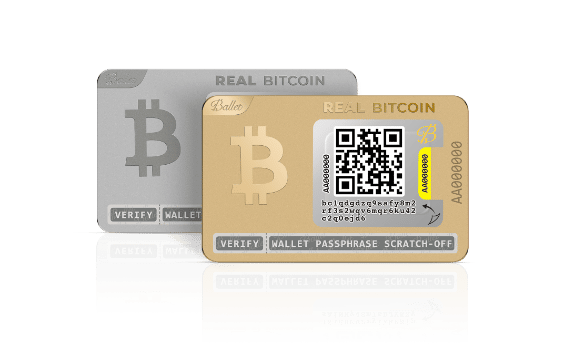

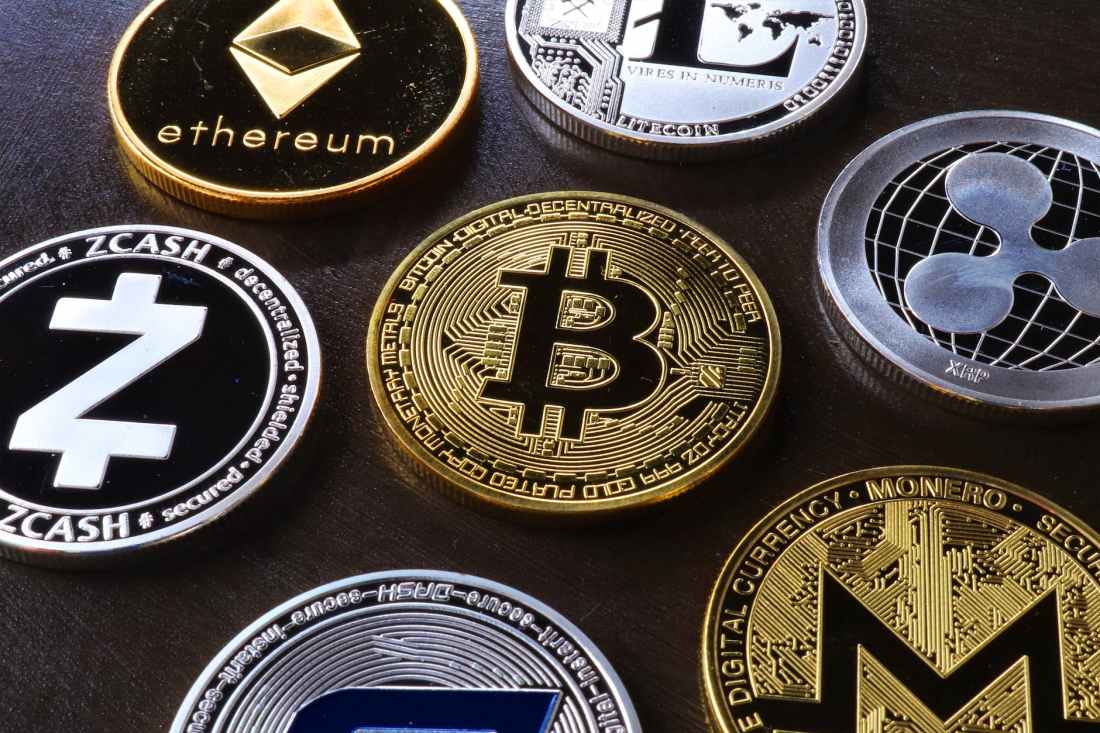







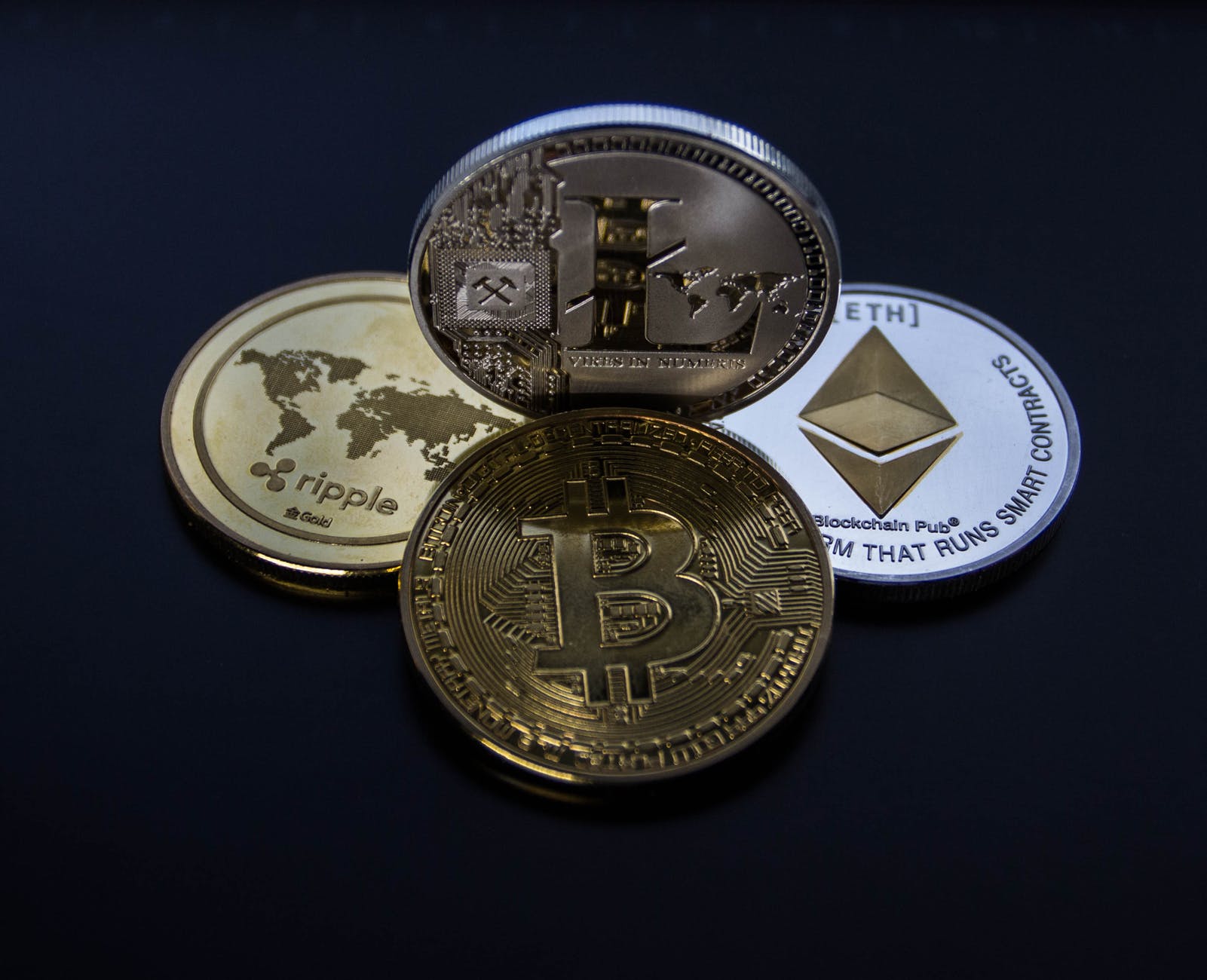

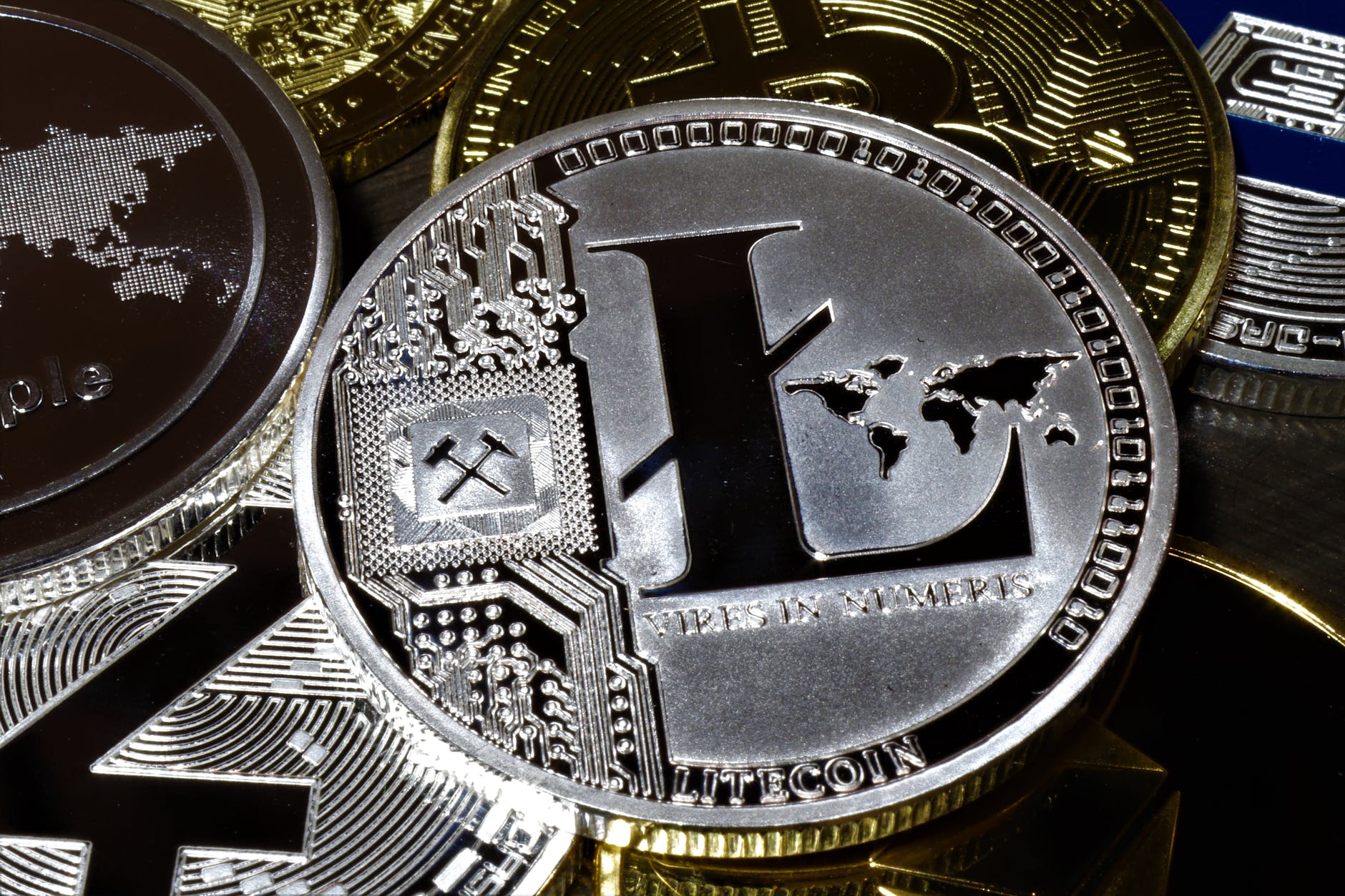
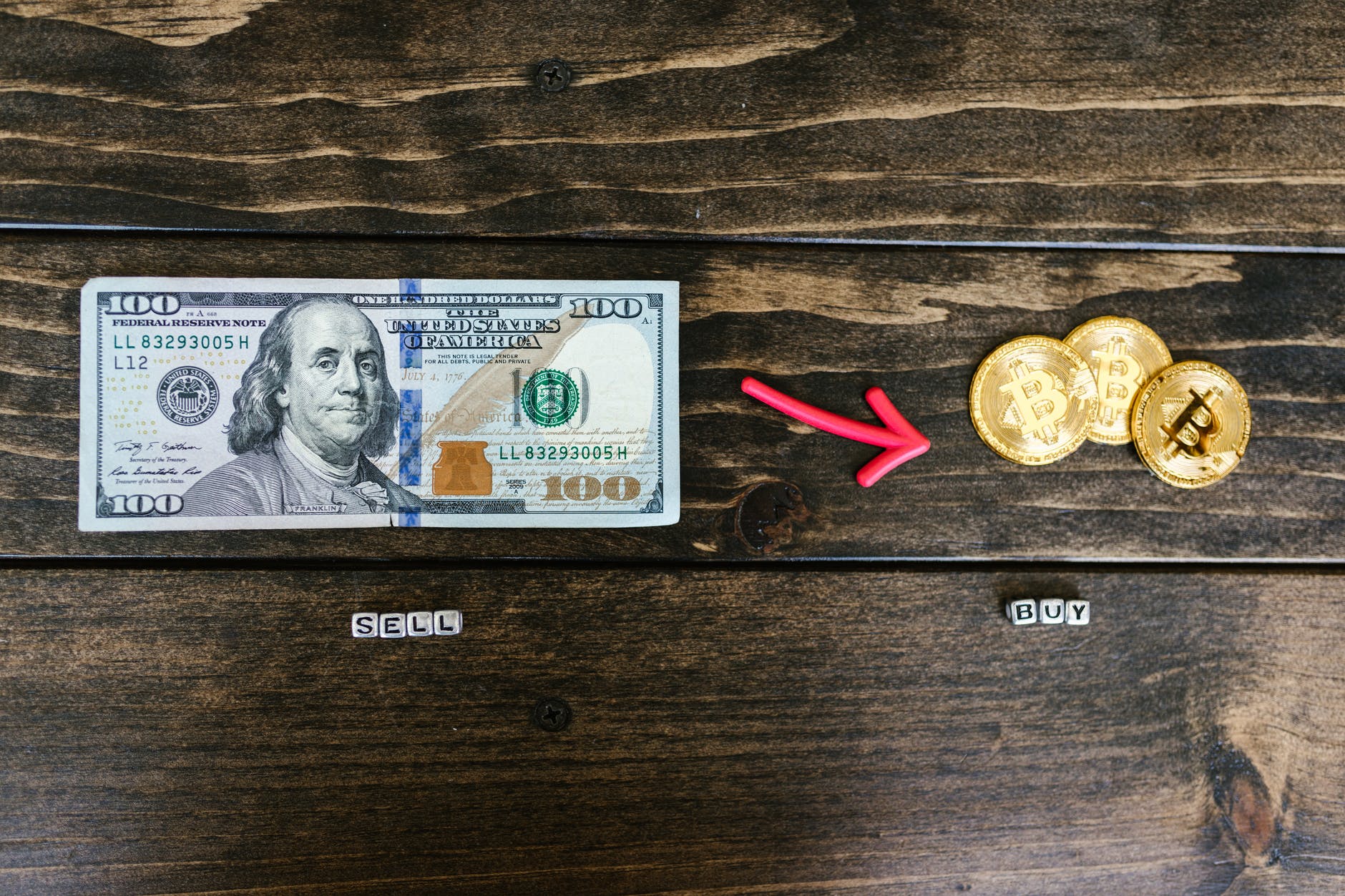



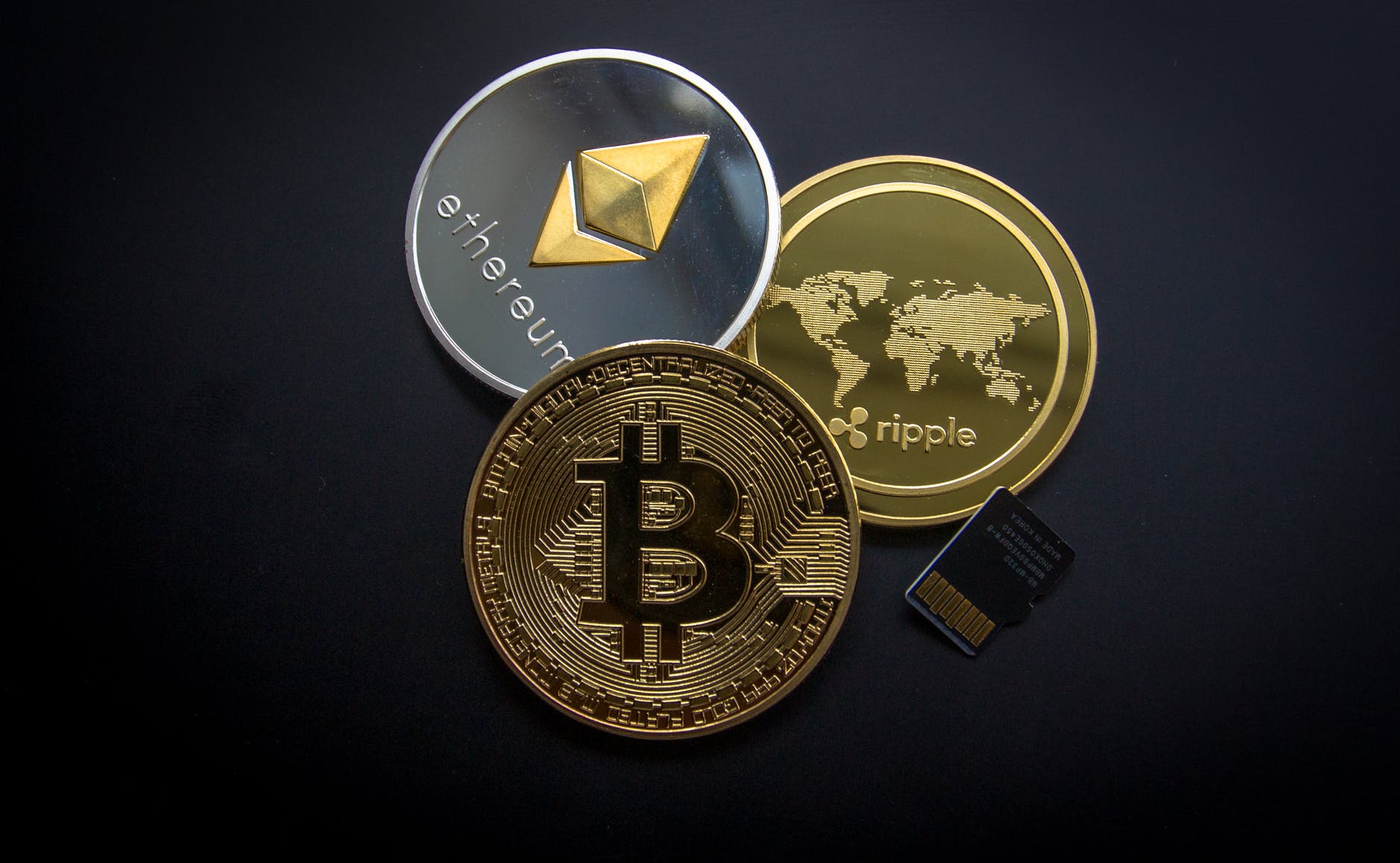



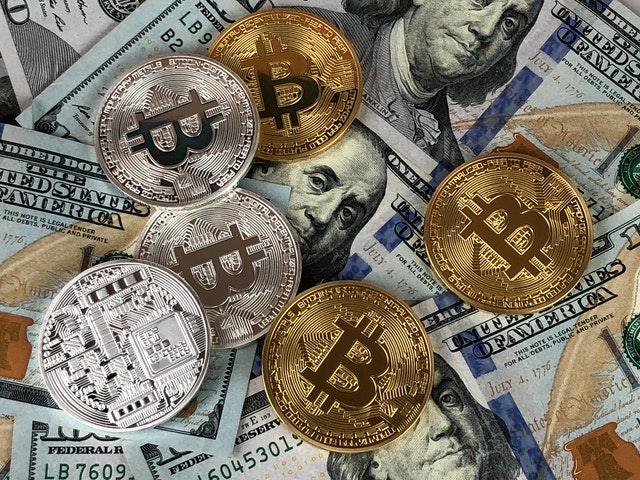
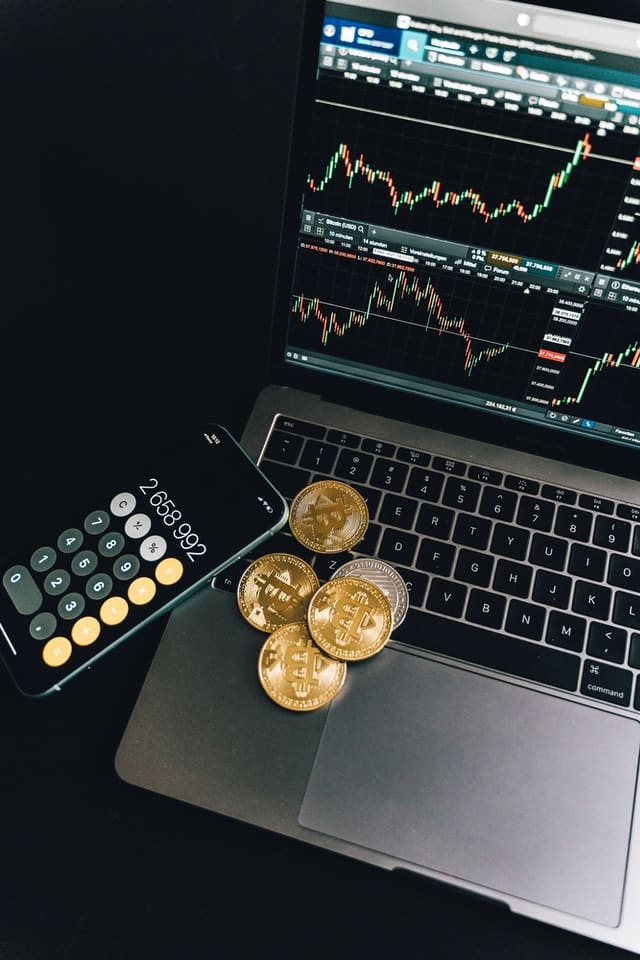

 CryptoCurrency Investments